Plague Transmitted by a Flea Is an Example of
Pneumonic plague bubonic plague- usually transmitted to humans by infected rodent flea bites protozoan diseases Pneumocystis- skin lesions Earth Materials and Health pg60 Centers for Disease Control and Prevention. For example according to the WHO.
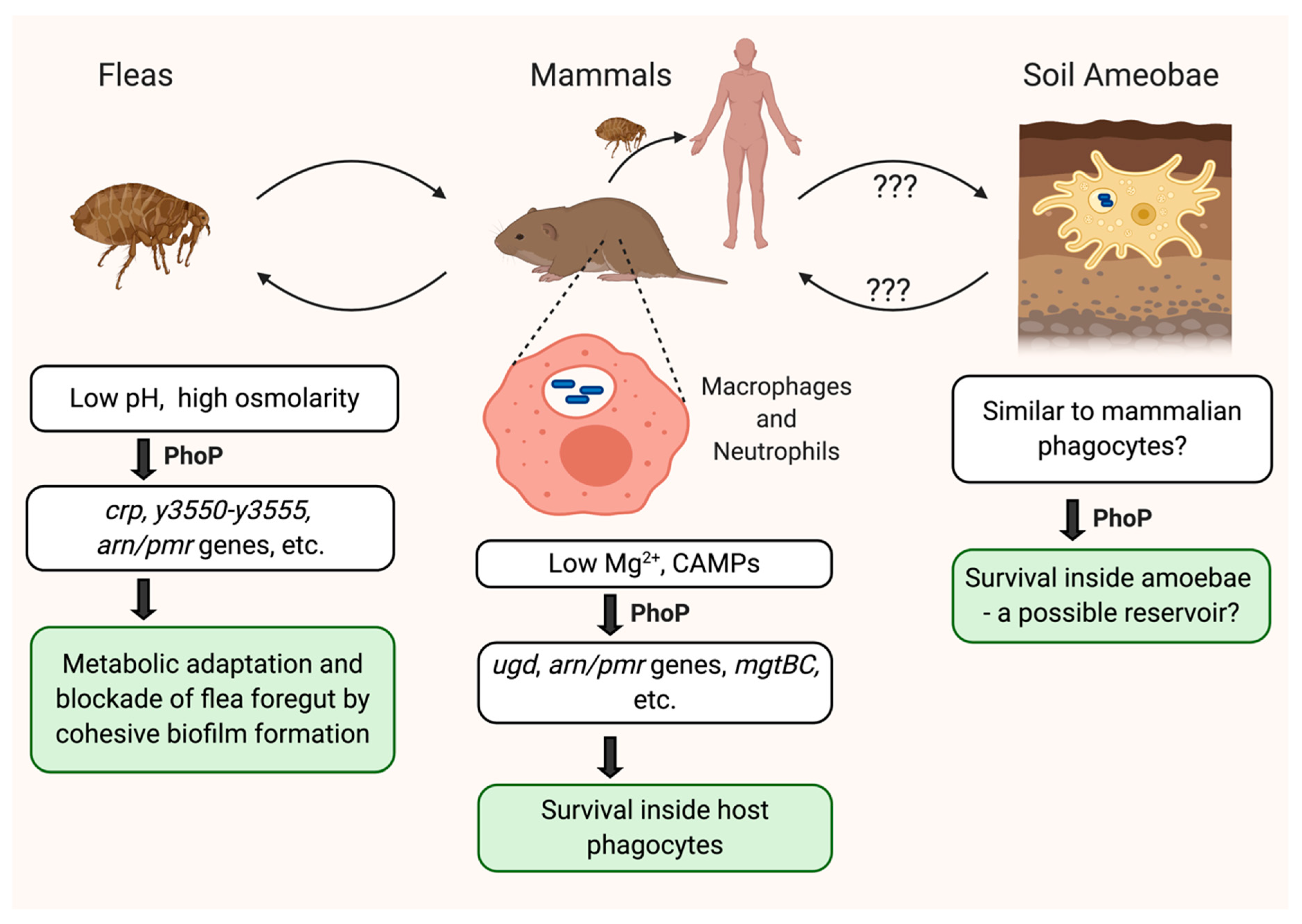
Pathogens Free Full Text The Diverse Roles Of The Global Transcriptional Regulator Phop In The Lifecycle Of Yersinia Pestis Html
Humans can become infected after being bitten by fleas that have fed on infected rodents.
. The https ensures that you are connecting to the official website and that any information you provide is encrypted and transmitted securely. Sporadic epizootics can sicken large numbers of rodents and other mammals and spill over to incidental hosts including humans 1Y. Neither bubonic or septicemic plague are known to spread.
In humans the disease usually occurs in the form of bubonic plague. Introduction Plague Pathogenesis and Clinical Manifestations. Pestis can be transmitted.
Yersinia pestis is the causative agent of plague an enzootic vectorborne disease usually infecting rodents rats and fleas. In rare cases the infection spreads to the lungs via the bloodstream and causes secondary. Pestis formerly Pasteurella pestis is a gram-negative non-motile coccobacillus bacterium without spores that is related to both Yersinia pseudotuberculosis and Yersinia enterocoliticaIt is a facultative anaerobic organism that can infect humans via the Oriental rat flea Xenopsylla cheopis.
Fleas are natural vectors carriers of Y. This disease is caused primarily by the Gram-negative bacterium Bartonella henselae transmitted between domestic cats by the agency of cat fleas Ctenocephalides felis. People and pets dogs cats are at risk when they are bitten by infected fleas.
Dogs and cats can get sick with plague and also spread the infection to humans. Yersinia pestis the causative agent of plague is a nonmotile gram-negative coccobacillus that persists in the natural environment in sylvatic cycles. The site is secure.
It causes the disease plague which caused the first. Other forms of the plague septicemic plague and pneumonic plague are far less common in humans. Like some other forms of gram-negative sepsis septicemic plague can cause disseminated intravascular coagulation and is almost.
Pestis and the bacteria are typically transmitted to and among rodents via flea bite. Humans may contract plague through a flea bite or by handling an infected animal or breathing in an aerosolized form of the bacteria. One example of an airborne toxin is called endotoxin or lipopolysaccharide which may be one of the most important human allergens.
Human infection occurs by contact spread from cats including scratches by claws contaminated with blood or flea feces or possibly by flea bite. Septicemic plague is one of the three main forms of plagueIt is caused by Yersinia pestis a gram-negative species of bacteriumSepticemic plague is a life-threatening infection of the blood most commonly spread by bites from infected fleas. Plague is caused by Yersinia pestis bacteria that can cause illness in people and animals.
A flea bite is the most common form of transmission of the bubonic plague according to the CDC. In the western United States fleas can pass the bacteria to rodents and other small animals.
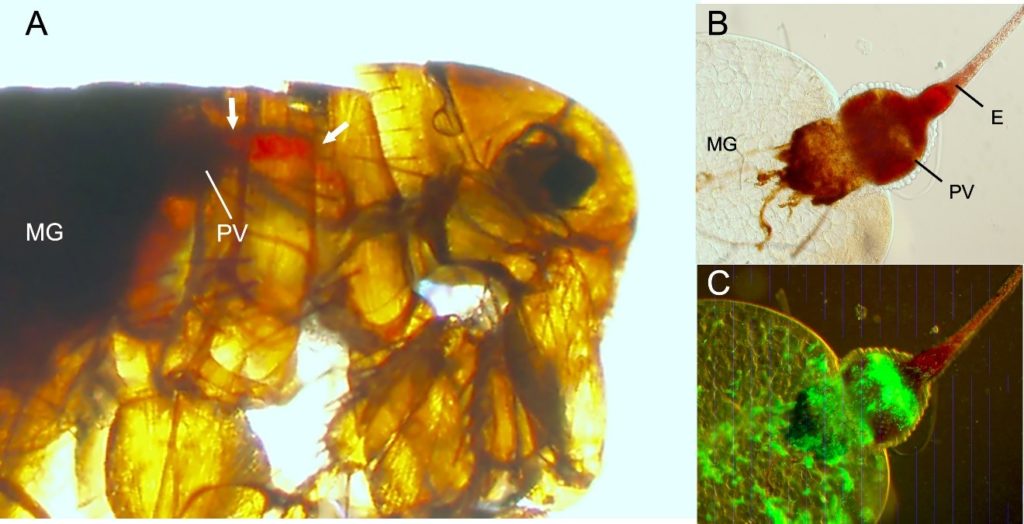
Chasing After The Human Flea A Controversial Bubonic Plague Vector Bugbitten

Can I Get Covid From My Cat S Fleas Envirobites

How The Plague Microbe Gave Fleas A Chance
No comments for "Plague Transmitted by a Flea Is an Example of"
Post a Comment